Introduction
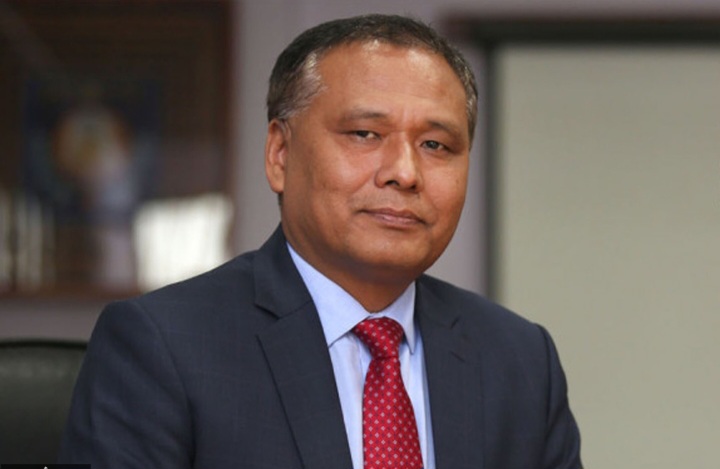
Kulman Ghising is a celebrated Nepalese electrical engineer, public administrator, and senior civil official who gained national hero status for transforming Nepal’s power sector. As the Managing Director of the Nepal Electricity Authority (NEA), Kulman Ghising executed strategic demand-side management and institutional reforms that successfully eliminated chronic 18-hour daily power cuts (load-shedding) across Nepal. His visionary management, technical integrity, and dedicated public service made him a symbol of administrative excellence in South Asia.
Quick Profile & Personal Details
| Parameter | Details |
|---|---|
| Full Name | Kulman Ghising |
| Date of Birth | November 25, 1970 |
| Age | 55 Years |
| Birthplace | Bethan, Ramechhap, Bagmati Province, Nepal |
| Profession | Electrical Engineer, Public Administrator |
| Primary Role | Former Managing Director, Nepal Electricity Authority (NEA) |
| Education | B.Sc in Electrical Engineering (REC Jamshedpur), Executive MBA (ACE/PU) |
| Famous For | Eliminating load-shedding and turning NEA into a profitable utility |
Early Life and Educational Background
Kulman Ghising was born on November 25, 1970, in the rural village of Bethan in Ramechhap District, Nepal. Growing up in a remote region with limited infrastructure inspired his commitment to engineering and public development from an early age.
He pursued his technical education with outstanding academic distinction:
- Electrical Engineering (B.Sc): Earned a degree in Electrical Engineering from the Regional Engineering College (REC), Jamshedpur, India, under a prestigious government scholarship.
- Executive MBA: Completed an Executive Master of Business Administration (EMBA) from Ace Institute of Management, Pokhara University, specializing in power sector management and utility economics.
Early Career at Nepal Electricity Authority (NEA)
Kulman Ghising joined the Nepal Electricity Authority in 1994 as an engineer and spent over two decades serving in various operational and managerial roles.
- Chilime Hydroelectric Project: Before his appointment as NEA Managing Director, Ghising served as the head of Chilime Hydropower Company. Under his direction, the Chilime model was established as a successful indigenous engineering project funded and managed by Nepalese stakeholders.
- Rahughat Hydroelectric Project: He also managed power transmission and generation projects, acquiring deep structural insights into systemic leakages, supply chain bottlenecks, and power distribution dynamics.
Eliminating Load-Shedding and NEA Transformation (2016–2020)
In September 2016, the Government of Nepal appointed Kulman Ghising as the Managing Director of NEA. At the time, Nepal suffered from severe energy crises, with load-shedding lasting up to 18 hours per day, while the NEA faced massive financial losses running into billions of rupees.
Ghising introduced immediate technical and administrative overhauls:
- Strategic Power Redistribution: Reallocated industrial dedicated feeders to ensure continuous supply for household consumers during peak hours, particularly during Tihar 2016.
- Controlling Electricity Leakage: Launched nationwide anti-theft drives, fixing technical power grid losses and administrative corruption, saving billions in lost revenue.
- Turnaround to Profitability: Transformed NEA from a chronically loss-making public entity (losing over NPR 8 billion annually) into a highly profitable enterprise generating billions in net surplus.
- Hydropower Expansion & Grid Modernization: Accelerated stalled transmission line projects (such as Cross-Border lines) and completion of mega-projects like the Upper Tamakoshi Hydroelectric Project.
Second Tenure and Sustainable Energy Vision
Following public demand and institutional needs, Ghising was reappointed for a second term as NEA Managing Director in August 2021. During his second term, he prioritized:
- Clean Energy Transition: Promoting electric vehicles (EVs), induction cooking, and domestic electricity consumption to reduce fossil fuel imports.
- Cross-Border Energy Trading: Exporting surplus hydroelectric power to India and Bangladesh during monsoon months, establishing Nepal as an energy-exporting nation.
- Smart Grid Infrastructure: Upgrading Kathmandu and major urban centers with underground power cables and digital smart meters.
Personal Life and Legacy
Kulman Ghising leads a modest and disciplined personal life, dedicating his career to engineering excellence and national service. His work ethic proved that public sector enterprises in developing nations can operate efficiently, transparently, and profitably under capable leadership.
Conclusion
Kulman Ghising’s transformation of the Nepal Electricity Authority remains one of the most successful public sector turnarounds in Nepal’s history. By illuminating millions of homes and establishing energy self-reliance, he continues to inspire a generation of engineers, public servants, and administrators across the region.